 Searching
 Map
 Webcams
 Website for Hluboká citizens
Stone Bridge in Písek
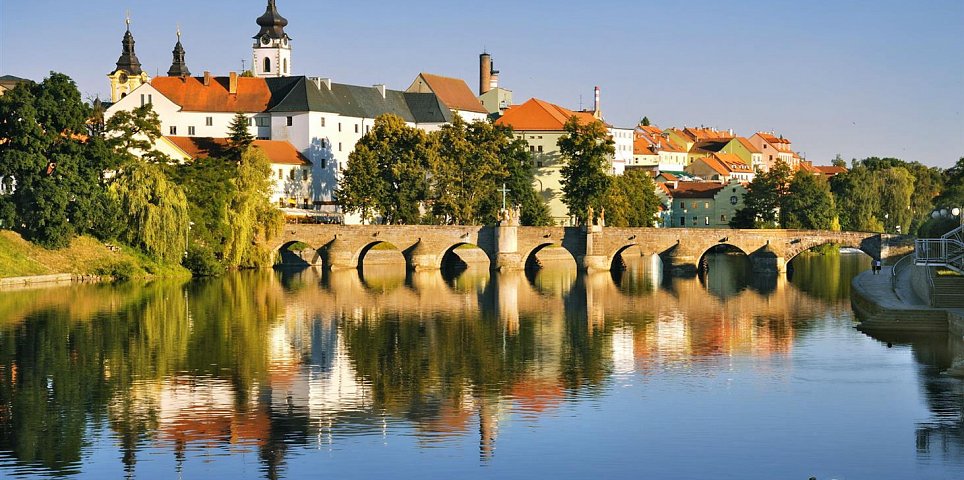
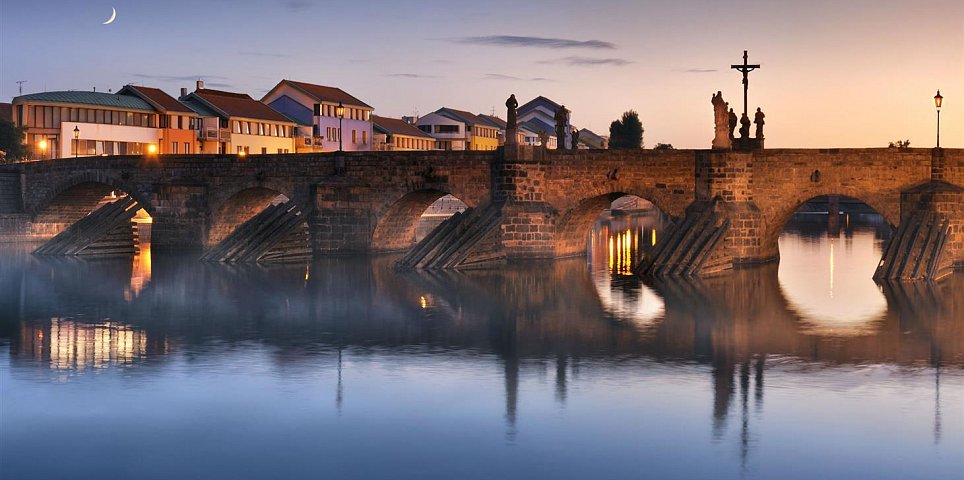
Construction of the Písek Stone Bridge was undoubtedly begun in the second half of the 13th century during the reign of King Přemysl Otakar II (1253–1278). This is evidenced by mason marks on the stones, identical to those found on other buildings in Písek. The bridge, along with other important structures in the town (castle, main church, Dominican monastery, town hall), was a product of the royal "Písek-Zvíkov" building workshop.
However, the first written mention of the bridge dates to 1348, during the reign of Charles IV. At that time, the Golden Trail connecting the Czech lands with Bavaria and Upper Austria ran over the bridge. In the 16th century, up to 1,300 packhorses traveled the trail weekly. Salt, luxury fabrics, southern fruits, wine, and spices were transported to Bohemia; grain, malt, honey, lard, and fish were carried to Bavaria.
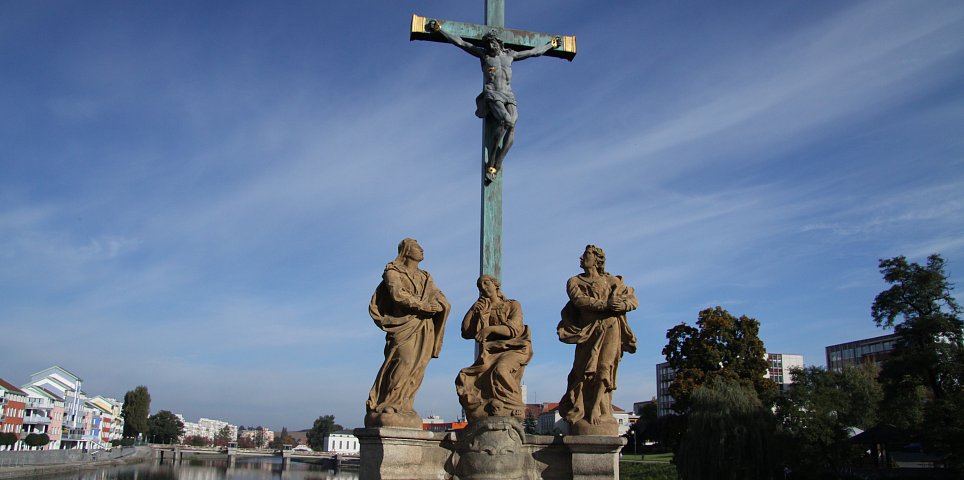
In the 18th century, the bridge railing was adorned with Baroque statues: the Calvary group, a statue of St. Anthony of Padua, a statue of St. John of Nepomuk, and a statue of St. Anne the Third. The Calvary group is probably the work of the sculptor Jan Hammer from Čimelice. The authors of the other statues are unknown. The statue of St. Anthony of Padua was donated to Písek in 1770 by Jan Filip Běšín of Běšín, former governor of the Prácheň region (his coat of arms is carved on the pedestal).


